
Power and Control
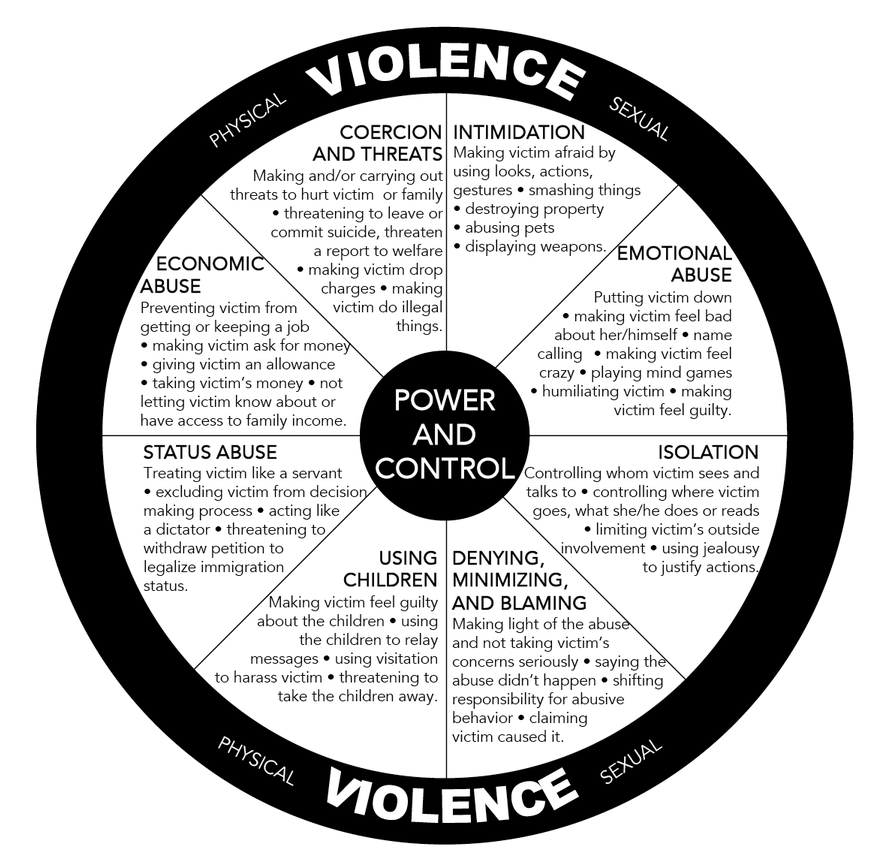
The Power and Control Wheel is a visual diagram that explains the pattern of tactics an abuser uses to dominate an intimate partner and maintain fear.
Created in 1984 by the Domestic Abuse Intervention Project in Duluth, Minnesota, the wheel helps people identify non-physical forms of abuse that often go unnoticed.
Coercion and Threats
Making and/or carrying out threats to do something to hurt them, including:
- Threatening to leave
- Threatening suicide
- Threatening to report them to welfare
- Making them drop charges
- Making them do illegal things.
Using Intimidation
Making them afraid by using looks, actions, gestures. This could include:
- Smashing things
- Destroying property
- Abusing pets
- Displaying weapons
Emotional Abuse
- Putting them down
- Making them feel bad about themselves
- Calling them names
- Making them think they are crazy
- Playing mind games
- Humiliating them
- Making them feel guilty
Isolation
Controlling what they do, who they see and talk to, what they read, where they go, limiting their outside involvement, or using jealousy to justify actions.
Minimizing, Denying & Blaming
- Making light of the abuse and not taking their concerns seriously
- Saying the abuse didn’t happen
- Shifting responsibility for abusive behavior
- Saying they caused it
Using Children
- Making them feel guilty about the children
- Using the children to relay messages
- Using visitation to harass them
- Threatening to take the children away
Using Male Privilege
- Treating her like a servant
- Making all the big decisions
- Acting like the “master of the castle”
- Being the one to define men’s and women’s roles
Using Economic Abuse
- Preventing them from getting or keeping a job
- Making them ask for money
- Giving them an allowance
- Taking their money
- Not letting them know about or have access to family income
Family Violence
Why does the victim stay?
The following factors are reasons why a victim might find leaving an abusive relationship difficult: economic dependence, fear of greater physical danger to themselves and their children if they attempt to leave, fear of losing custody of children, lack of alternative housing, lack of job skills, fear of involvement in court processes, belief that partner will change, cultural and religious constraints, ambivalence and fear over making formidable life changes, social isolation resulting in lack of support from family or friends and lack of information regarding alternatives, they love their partner.
One of the most alarming reasons that victims of domestic violence stay is that leaving is the most dangerous time for a person in an abusive relationship. Domestic violence is about power and control. When a victim decides to leave, the abuser loses that power and control which will cause them to go to extremes to prevent the victim from leaving. Abusers will make threats of violence, including death threats, to themselves, the victim, the children, and pets to prevent the victim from leaving. 77% of intimate partner violence related homicides occur upon separation and violence increases by 75% for 2 years following separation. (https://www.bwss.org/eighteen-months-after-leaving-domestic-violence-is-still-the-most-dangerous-time/)
What ususally happens to the abuser?
If the police are called and there is clear evidence of who the abuser is, the abuser may be arrested, regardless of if the victim wants to press charges or not. A protective or restraining order may be filed to protect the victim from the abuser attacking again. If arrested, the abuser may pay a fine, be ordered into a Batterer Intervention and Prevention Program (BIPP), or both. Agencies like Bay Area Turning Point provide the victim with advocacy, counseling, rental assistance and shelter if needed.
What about the children?
Sadly, in 1/3 of homes where the mother is abused, the children also suffer abuse. Witnessing violence causes psychological trauma similar to that of a physically abused child. Living in a violent home impedes the social and academic progress of children. Violence also breeds violence that is often repeated in the next generation.
Do the families help?
Often, a family’s home is the first place an abuser will look for a victim, which may place the family in danger. Some families are unable to help and many really do not understand how to help. Family violence has numerous dynamics that are generally addressed more effectively by those with specific training to do so. Victims leave about seven times before finally staying away(https://thehotline.org/resources). The family may not be willing to keep helping and be overwhelmed by crisis.
Can a man be a victim of domestic violence?
Yes. Domestic violence knows no gender boundaries and can happen in any town, in any family and any socio-economic background. According to The National Domestic Violence Hotline, 1 in 7 men over the age of 18 have experienced severe physical violence from an intimate partner in their lifetime.
Warning Signs:
- Displaying jealous behavior-abusers will constantly accuse their partner of cheating, checking in on them and who they are with, calling frequently, or become upset if their partner spends too much time away from them. Abusers try to use jealousy as a way of showing love or that they care for their partner, but it is a sign of insecurity and possessiveness.
- Controlling behavior- abusers will try to control their partner’s everyday activities varying from who their partner sees, where their partner goes, making choices for their partner, or controlling all the money or property to not allowing their partner to access personal items/info.
- Quick involvement- those in abusive relationships dated or knew their abusers less than 6 months before moving in or becoming engaged. Abuser will often come in like a whirlwind claiming their partner is the only person in the world for them only after a short period of time. They need someone desperately and will pressure for commitment.
- Isolation- abuser will try to cut their partners off from all resources such as family, friends, employment or even the community. Abusers may claim these outside influences are bad for the relationship to encourage their partner to cut ties with others.
- Blames others for problems- abusers do not take responsibility for their actions and will often blame their abuse on their partner such as “I hit you because you made me”. Abusers will make their partner feel like the abuse if their fault.
- Hypersensitivity- abusers are easily insulted and will look for fights. Small setbacks will be seen as a personal attack.
- Dr. Jekyll/Mr. Hyde Personality- abuser will have “sudden” changes in mood and will be nice one minute and explode the next.
- Battering in previous relationships- abusers may mention violence in other relationships, but often claim it was not their fault, but rather the other person. Abusers will beat any partner they are with, no matter the relationship or circumstance.
- Unrealistic expectation- abusers are very dependent on their partners and expect their partners to be perfect at everything from being the perfect parent, cook, lover, etc. The expectation is not mutual for them.
Sexual Assault
To find out where registered sex offenders live in your neighborhood visit the Texas Department of Public Safety Online and search the Sex Offender Registration Database by zip code.
Sexual Assault Information
You can reduce your risk of a sexual assault by:
- Being aware of your surroundings looking around you and noticing the people who are near or behind you
- Being assertive walking confidently and letting people know when you are uncomfortable with their proximity or actions.
- Checking under your car and in the back seat before entering.
- Keeping your doors and windows locked, especially when you are home alone
- Being sure that you know who you are opening your door to by confirming the identity of them. Keep in mind, if someone come to the door that you are unaware of, you do not have to open the door.
- Taking a self-defense course
- Trusting your instincts and recognizing risky situations. If it feels wrong, it is wrong.
In Your Relationships
Since most sexual assaults occur by someone known, these prevention strategies can be used to prevent sexual assault:
- Establish clear boundaries early on
- Use assertive communication. Be clear, direct, firm and respectful with your statements.
- Use affirmative answers (clear “YES” or “NO”)
- Understand how consent works. It must be freely given without coercion, reversible, informed, enthusiastic and specific.
- Challenge risk factors, such as male entitlement, sexiest attitudes, hypermasculinity, objectification of women, unhealthy attitudes that sexual violence is normal, rape culture, gender inequality, etc…
- Watch for controlling behaviors in the relationship. Remember, sexual assault is not about sex, it is about power and control.
If You Are Sexually Assaulted
- Know that it is not your fault. You did not do anything to cause it, and you are not to blame.
- Seek emotional support from a friend or relative with whom you feel comfortable or call a Rape Crisis Center.
- You may go to the nearest hospital for a forensic exam. You may call a rape crisis center to have an advocate accompany you for support and comfort. If you wish to pursue criminal action, you will need to follow guidelines to preserver evidence such as not douching, bathing, showering, eating or drinking anything or changing clothes before you go. While this is an uncomfortable concept, you are the evidence.
- Speak to an advocate about reporting the rape to law enforcement should you make the choice to pursue charges. The advocate will inform you of your rights and will provide expectations for the reporting process as well as criminal justice process should the case be prosecuted.
SA Facts
Approximately 1 in 6 women and 1 in 33 men will be sexually assaulted during their lifetime. About 25% of men will be victims before they are eighteen. 2/3 of sexual assaults are never reported. ( Department of Justice, Office of Justice Programs, Bureau of Justice Statistics, National Crime Victimization Survey, 2015-2019 (2020).
Only 310 out of every 1000 sexual assaults are reported to law enforcement (https://www.rainn.org/statistics/criminal-justice-system). Some reasons for low reporting rates are:
- Fear of not being believed
- The survivor is unaware an assault has occured (for example, the survivor is in an intimate partner or spousal relationship with the perpertrator or the survivor is a minor)
- Fear of retaliation
- Distrust of law enforcement or fear law enforcement will not help
- Fear of the case not being prosecuted
Out of every 1000 perpetrators, 975 will walk free. (Department of Justice, Office of Justice Programs, Bureau of Justice Statistics, Female Victims of Sexual Violence, 1994-2010 (2013).
Current or former spouses or intimate partners commit 33% of the sexual assaults. 39% of sexual assaults were committed by someone the victim identified as a friend or acquaintance. 19.5% of victims did not know their attacker.(Department of Justice, Office of Justice Programs, Bureau of Justice Statistics, National Crime Victimization Survey, 2010-2016 (2017).Sexual assault is about POWER and CONTROL- not sex. Offenders use sexualized violence to overpower and control another person. Sexual assault is a premeditated crime where 71% of offenders plan their assault and deliberately choose their victim. (Sexual Assault Training Manual, Texas Office of the Attorney General and Texas Association Against Sexual Assault, 2000.) Sexual assault also revolves around consent. Many survivors are unaware they were sexually assaulted because they do not understand the role consent plays. Consent, an agreement between parties involved to engage in sexual activity, must be freely given without coercion, must be given every time, and can be withdrawn at anytime in which case the activity must end. Intimate partners and spouses that are offenders believe they are entitled to sexual activity due to the relationship, however consent is needed anytime sexual activity occurs regardless of the relationship. Individuals are also not able to consent when under the influence of drugs or alcohol. Alcohol remains the number 1 date rape drug.
Sexual assault occurs: 55% in the victim’s home 12% in the home of a friend, relative or neighbor, 15% in a public and open space like a park, 10% in a public enclosed space like a parking garage, and 8% are on school property. (Department of Justice, Office of Justice Programs, Bureau of Justice Statistics, Female Victims of Sexual Violence, 1994-2010 (2013) Teens 16 to 19 were four times more likely than the general population to be victims of rape, attempted rape or sexual assault. Adolescents ages 12 to 17 are more likely to be sexually assaulted by young adults 18 to 24. Children under 12 are more likely to be sexually assaulted by persons under age 18. (Department of Justice, Office of Justice Programs, Bureau of Justice Statistics, Sex Offenses and Offenders (1997).
If you are experiencing sexual assault, BATP has advocates on-call 24 hours a day that can be accessed through our 24-hour crisis hotline. Advocates provide emergency and non-emergency accompaniments to hospitals, law enforcement office, prosecutor’s offices, and courts.
Safety Strategies
If an incident occurs:
- Try not to be trapped in a place where there is no exit or where there may be weapons
- Call 911 and report bruises, injury, and damaged property
- Seek medical attention and have doctor note how you were injured
- Seek temporary safety at a hotel, with friends, or at a shelter
- Seek information regarding protective order
Overall strategies:
- Create an exit plan with your children to prepare for the next incident
- Observe patterns of abusive behaviors to avoid triggers
- Keep a list of phone numbers memorized in case something happens to your mobile device
- Pack a bag with clothes, important papers, money, medications and keys and keep it somewhere you can get to it if you have to leave
- Build a support system
- Get an escort to and from your car at work
- Vary your daily schedule and routes
If you are ready to leave:
- Have an evacuation plan
- Become familiar with local resources to help
- Think of where you can go where you are safe
- Consider what areas would not be safe
- Be aware of the abuser’s schedule. Plan you exit when abuser is not home (if possible)
- Request a civil standby from the local police department
Digital Safety:
- Keep all evidence of abuse on a flash drive
- Create a back-up email that the abuser knows nothing about
- Do not give out passwords to anyone
- Clear browsing and caching history regularly, especially if you are searching for help online
- Keep all online profiles private
- Do not post personal information (for example, “checking-in” on social media or posting identifying landmarks)
- Keep location services off
- Monitor devices for Spyware
- Check Bluetoooth often to make sure nothing is connected, like AirTags
Child Safety:
- Make sure children know how to call 9-1-1
Inform children’s school of the situation if it is safe to do so - Children know to stay out of a flight
- Children know who they can call or go to if they are able to safely escape the home during an incident
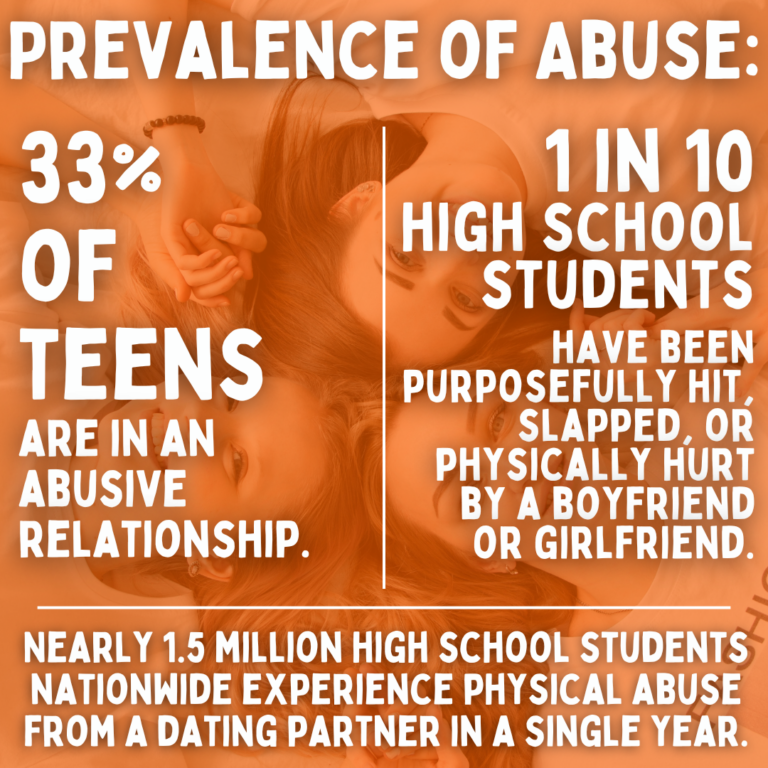
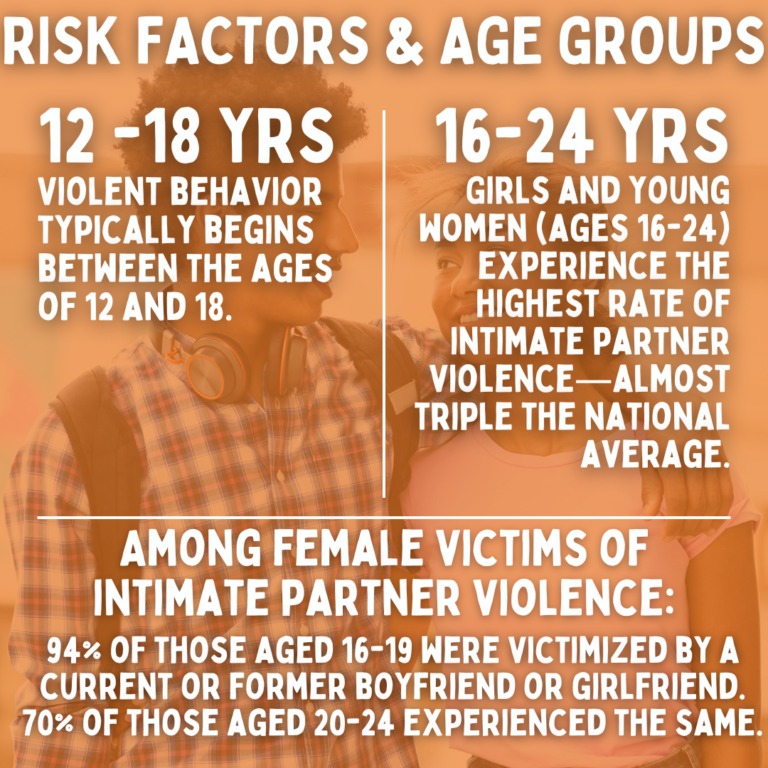
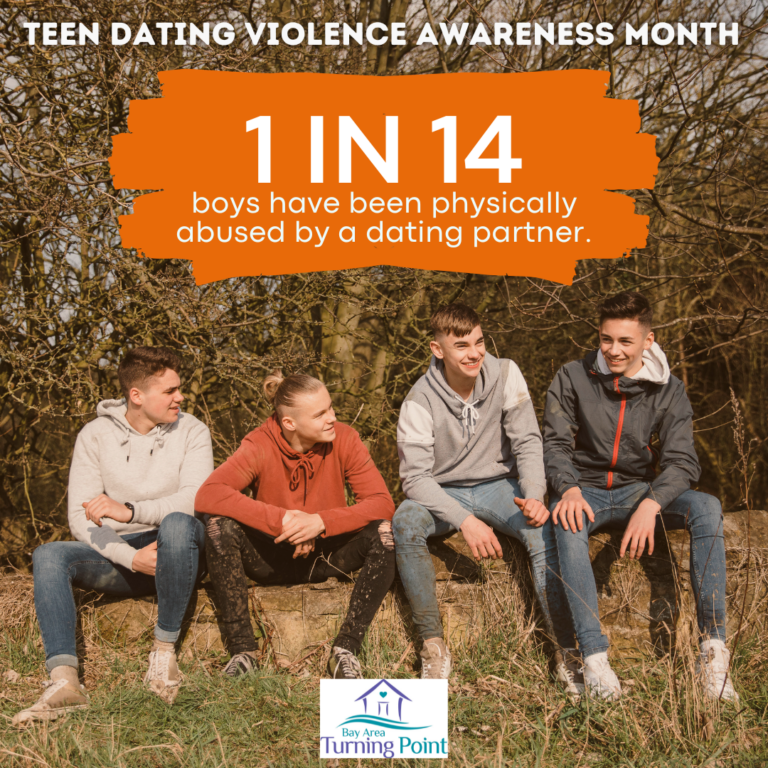
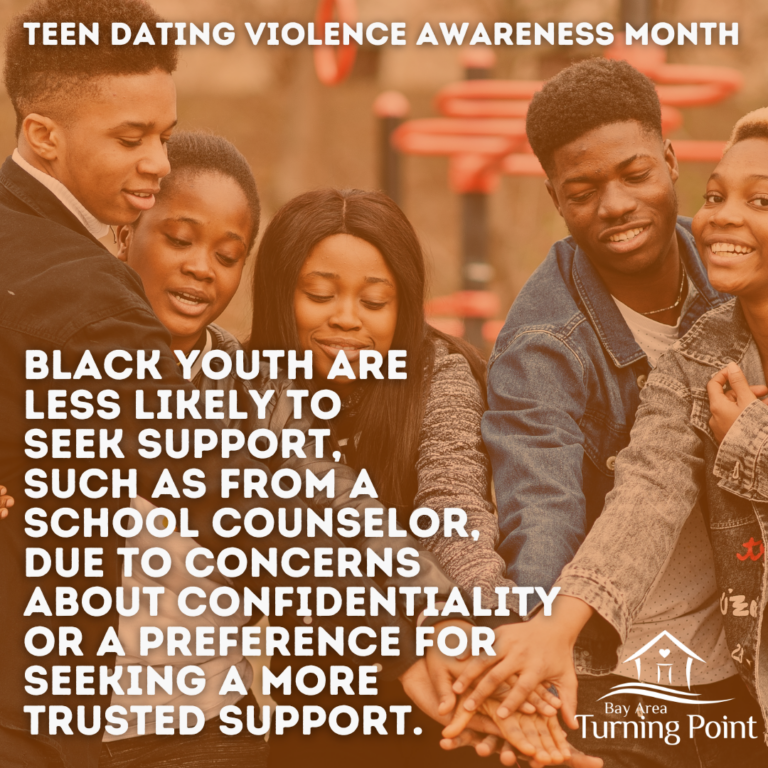
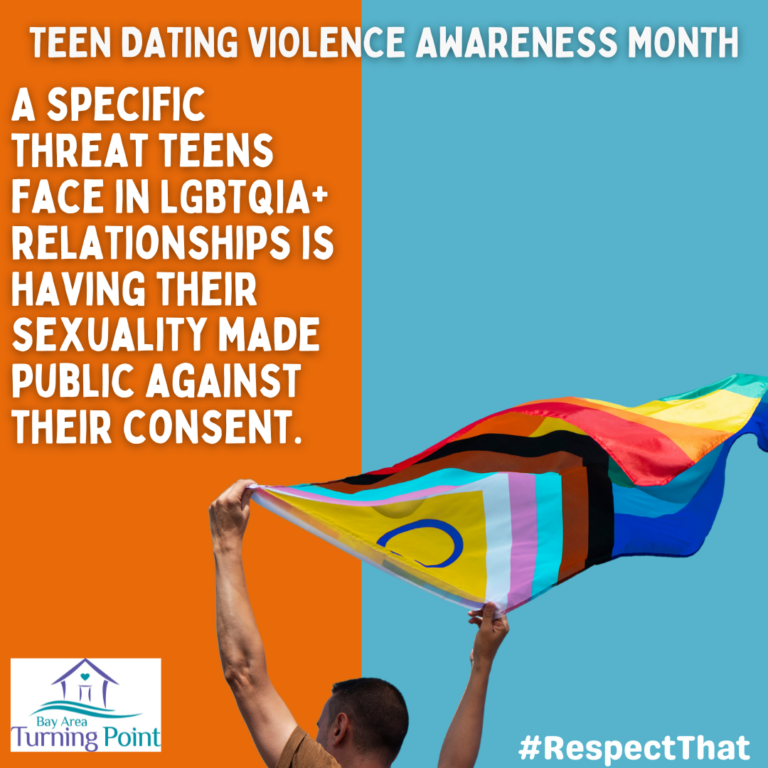
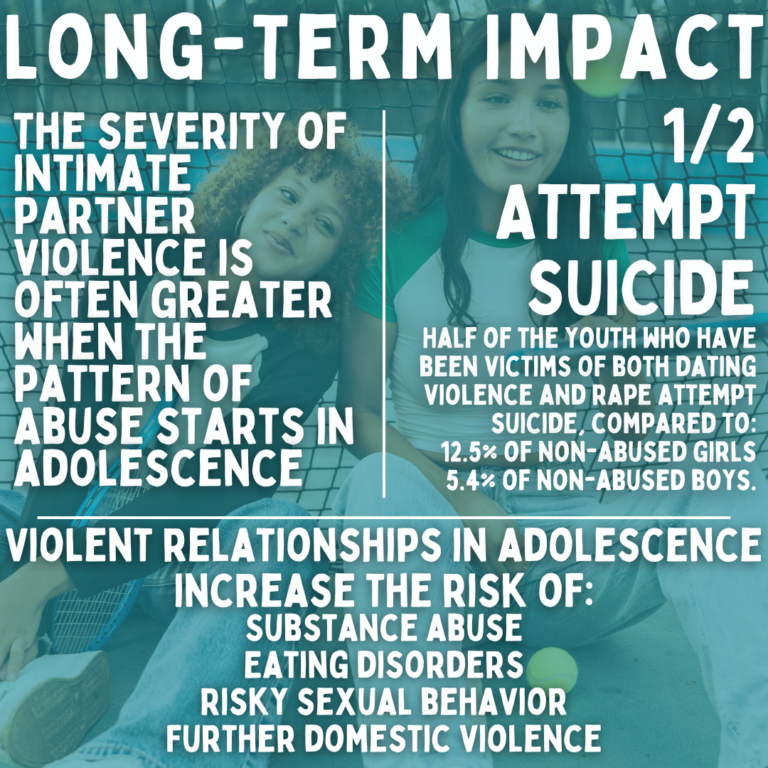
Teen Dating Violence
Sources for facts mentioned above:
- https://abc13.com/teen-dating-violence-abuse-homicides-avda/12825987/
- https://txssc.txstate.edu/tools/parent-safety/3-bhss/3-6-dating-violence.html
- https://www.ncjfcj.org/wp-content/uploads/2022/09/TDV-LGBTQIA-Youth-TAB_FINAL-Web-Version.pdf
The Truth About Dating, Love, & Just Being Friends By: Chad
loveisrespect.org, an informative website for teens whether currently in a relationship or not.
Resources
Do abusers ever cause trouble at the shelter?
Typically, no. The abuser is typically unabusive to strangers and symbols of authority. The shelter has a security system with camera monitoring. If an unwelcome visitor arrives, they are informed that it is a felony to trespass on a shelter property. They leave calmly 99% of the time. The shelter is within three minutes of police response. The police have been called because of an unwelcome visitor, but they left before police arrived.
What is it like to be in a shelter? What do the residents do?
A shelter is like its own little community. Everyone has to work together to make the community a safe, clean, positive place to live. Adult clients have the opportunity to attend educational, recovery, and personal development classes. They learn skills relating to healthy communication, problem solving, how to budget, effective parenting, and participate in pathways to healing from trauma. Some return to school, obtain a GED, or enter job training. Many become employed and begin to plan an independent future. Children attend school, the agency’s childcare, and participate in educational and healing activities. For some of the children, it’s the first time their scars and needs have been attended. Each client is assigned a caseworker and the child advocate assists each child.
Animal Abuse and Domestic Violence
Researchers have documented a strong connection between animal abuse and domestic violence.
A study from 11 U.S. cities revealed that a history of pet abuse is one of the four most significant indicators of who is at greatest risk of becoming a domestic batterer.
- A Texas study found that batterers who also abuse pets are more dangerous and use more violent and controlling behaviors than those who do not harm animals.
- Twelve separate studies have reported that between 18 and 48 percent of battered women, and their children, delay leaving abusive situations in fear for what might happen to their animals.
- Women who do seek safety at shelters are nearly 11 times more likely to report that their partner has hurt or killed their animals than women who have not experienced domestic abuse.
- In Wisconsin, 68 percent of battered women revealed that abusive partners had also been violent toward pets or livestock; more than three-quarters of these cases occurred in the presence of the women and/or children to intimidate and control them.
- Children who are exposed to domestic violence are three times more likely to be cruel to animals.
- The Chicago Police Department found that approximately 30 percent of individuals arrested for dog fighting and animal abuse had domestic violence charges on their records.
Why it matters:
- 71% of pet-owning women entering women’s shelters reported that their batterer had injured, maimed, killed or threatened family pets for revenge or to psychologically control victims; 32% reported their children had hurt or killed animals.
- 68% of battered women reported violence towards their animals. 87% of these incidents occurred in the presence of the women, and 75% in the presence of the children, to psychologically control and coerce them.
- 13% of intentional animal abuse cases involve domestic violence.
- Between 25% and 40% of battered women are unwilling to escape abusive situations because they worry about what will happen to their pets or livestock should they leave.
- Pets may suffer unexplained injuries, health problems, permanent disabilities at the hands of abusers, or disappear from home.
- Abusers kill, harm, or threaten children’s pets to coerce them into sexual abuse or to force them to remain silent about abuse. Disturbed children kill or harm animals to emulate their parents’ conduct, to prevent the abuser from killing the pet, or to take out their aggression on another victim.
- In one study, 70% of animal abusers also had records for other crimes. Domestic violence victims whose animals were abused saw the animal cruelty as one more violent episode in a long history of indiscriminate violence aimed at them and their vulnerability.
- For many battered women, pets are sources of comfort providing strong emotional support: 98% of Americans consider pets to be companions or members of the family.
- Animal cruelty problems are people problems. When animals are abused, people are at risk.
- Battered women have been known to live in their cars with their pets for as long as four months until an opening was available at a pet-friendly safe house.
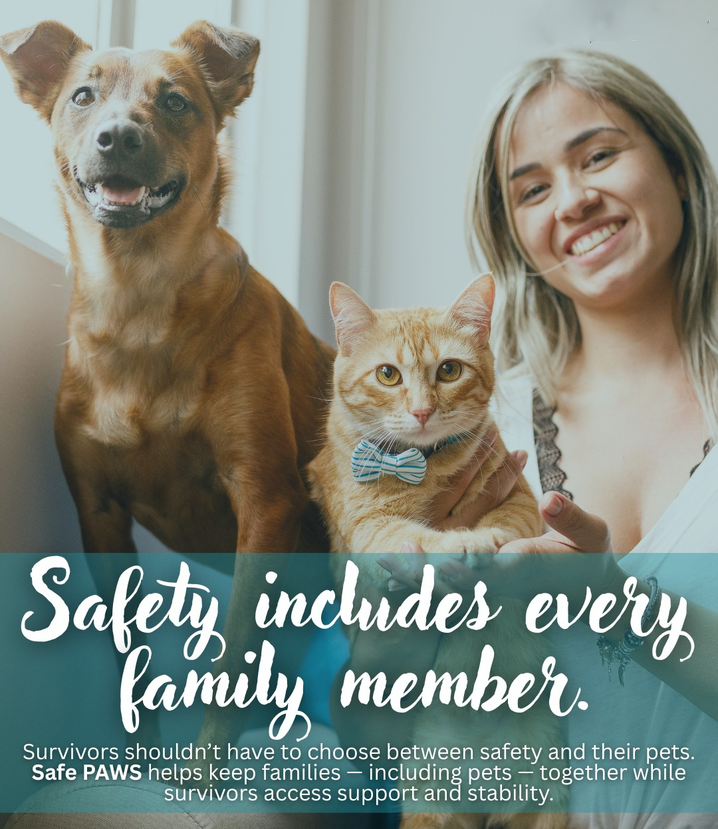
Our Safe PAWS program, in partnership with the City of Webster, ensures survivors never have to choose between safety and the pets they love.